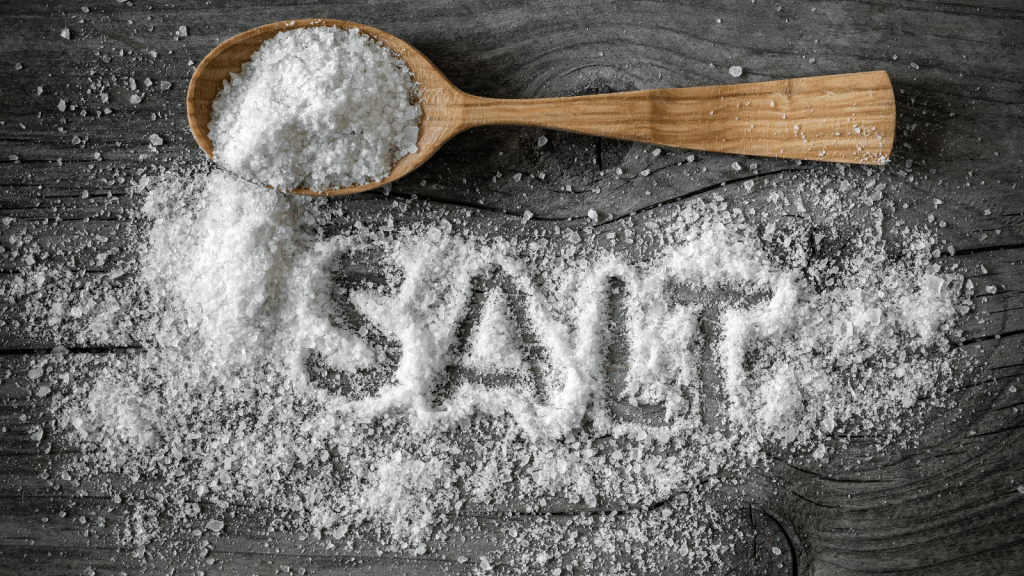
Eating too much salt isn’t good for your health, but what’s the limit?
Salt is a natural resource found everywhere from the ocean to our tears. But like many things, too much salt isn’t great, especially for our health.
Salt flavours the food we eat and is used as a binder and stabilizer and is also a food preservative, as bacteria can’t thrive in the presence of a high amount of salt.
Eating too much salt can however contribute to high blood pressure, which is linked to conditions like heart failure and heart attack, kidney problems, fluid retention, stroke and osteoporosis. You might think this should mean you need to cut out salt completely, but salt is actually an important nutrient for the human body.
The human body requires a small amount of sodium to maintain a healthy body. Your body uses salt to balance fluids in the blood and maintain healthy blood pressure, and it is also essential for nerve and muscle function. It’s impossible to live a life without any salt (basically you’ll die!).
So what happens if you don’t have enough salt in your body? (Salt loss – hyponatremia)
In severe cases, low sodium levels in the body can lead to muscle cramps, nausea, vomiting and dizziness. Eventually, lack of salt can lead to shock, coma and death. Severe salt loss is very unlikely to happen because our diets contain more than enough salt.
So, while a little salt in your diet is necessary, it’s important to keep the amount in check.
What are signs of too much salt?
The immediate symptoms of eating too much salt include:
- Increased thirst.
- Swollen feet or hands.
- Headache (in some cases)
- Rise in blood pressure, which can increase your risk of heart disease, stroke and vascular dementia
You might have seen some varieties of salt advertised as having extra health benefits that regular table salt doesn’t, like containing minerals that are good for your body.
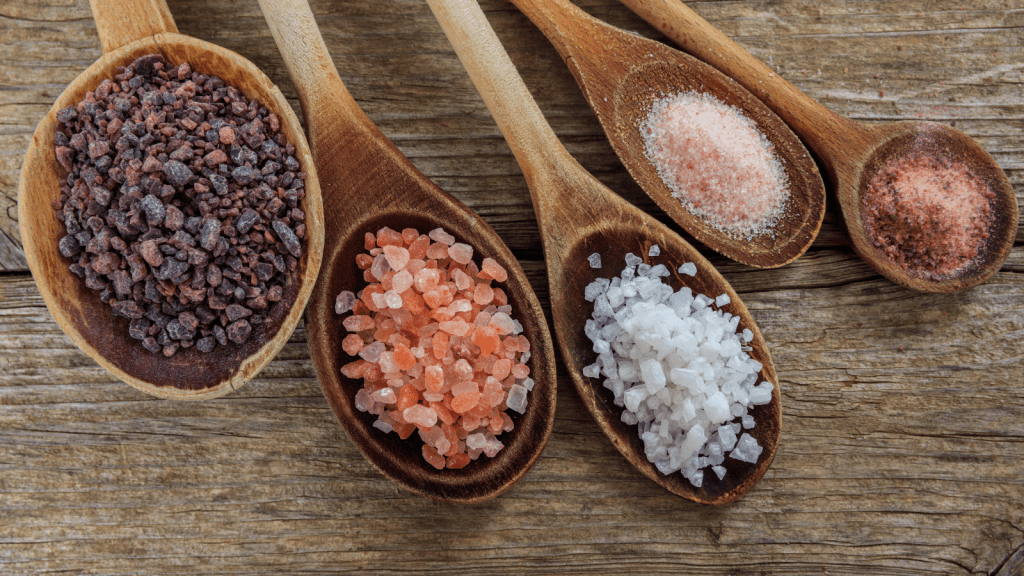
Himalayan salt, sea salt, rock salt, black salt, pink salt, unicorn salt – in the end, it’s all still salt.
Some supermarkets sell low salt alternatives like LoSalt and Saxa So-Low, or their own brands. These salt substitutes have less sodium than normal salt. They can help you reduce your sodium intake, but they won’t help you kick the habit of eating salty or ready-made foods. The low salt alternative brands usually contain potassium. High levels of potassium are not recommended for people with existing health conditions. If you have an existing health condition, you may want to talk to your doctor before using a salt substitute.
Good news for those who think they’re naturally a salt eater – the taste for salty foods is learned, rather than built in. It’s possible to retrain your taste buds to like foods with less salt in them, it’ll just take a little time.
Check salt on labels
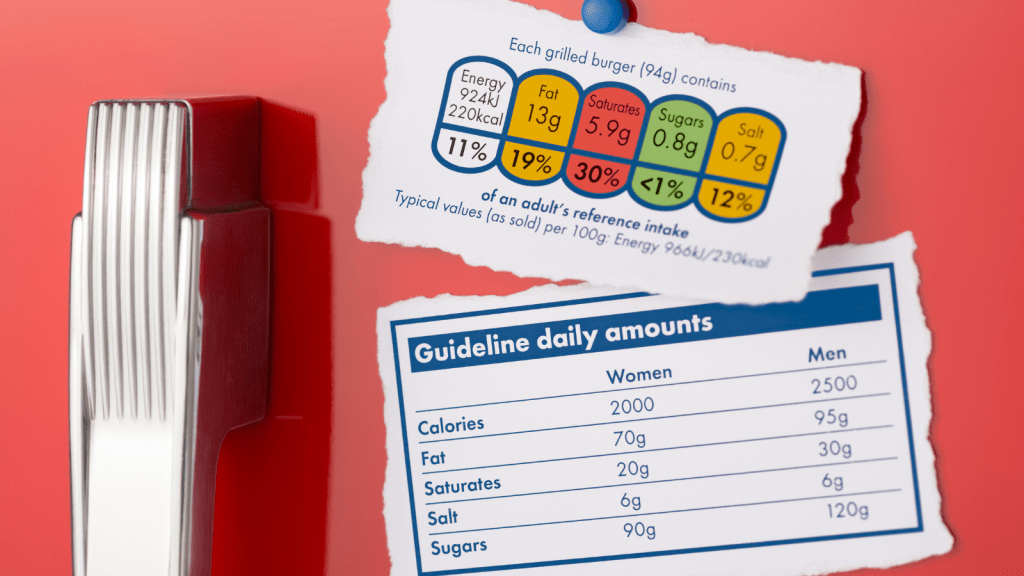
In the UK labels on pre-packed food must say how much salt they contain. Look out for the salt content in the everyday foods you buy, and choose lower-salt options.
Most pre-packed foods have a nutrition label on the back or side of the packaging.
Many foods also display information about the salt content on the front of the packaging.
This may show the salt content as a percentage of your reference intake (RI), or have colour-coded nutrition information to show whether the salt content is:
- green (low)
- amber (medium)
- red (high)
Try to eat high-salt foods only occasionally, or in small amounts, and aim to mainly eat foods that are green or amber.
Foods that contain salt
A lot of the food we eat already has salt in it. In fact, around three quarters of the salt we eat on a daily basis has already been added to our food before we buy it.
Some foods are almost always high in salt because of the way they are made.
Other foods, such as bread and breakfast cereals, can contribute a lot of salt to our diet. But that’s not because these foods are always high in salt – it’s because we eat a lot of them.
High-salt foods
The following foods are almost always high in salt. To cut down on salt, eat them less often and have smaller amounts:
- anchovies
- bacon
- cheese
- crisps
- gravy granules
- ham
- olives
- pickles
- prawns
- salami
- salted and dry-roasted nuts
- salt fish
- smoked meat and fish
- soy sauce
- stock cubes
- yeast extract
Foods that can be high in salt can vary widely between different brands or varieties which means you can cut down on salt by comparing brands and choosing the one that is lower in salt. Nutrition labels can help you do this.
These foods include:
- bread products such as crumpets, bagels and ciabatta
- pasta sauces
- crisps
- pizza
- ready meals
- soup
- sandwiches
- sausages
- tomato ketchup, mayonnaise and other sauces
- breakfast cereals
Soluble vitamin supplements and painkillers – If you routinely take an effervescent (dissolvable) vitamin supplement, or take effervescent painkillers, when necessary, it’s worth remembering that these can contain up to 1g salt per tablet. You may therefore wish to consider changing to a non-effervescent tablet, particularly if you have been advised to watch or reduce your salt intake.
What is salt and what is sodium?
When we use salt to season our food, we use table salt. Table salt is also called sodium chloride. When you see sodium on food labels, it’s just another way of talking about the amount of salt in the food.
If your food label only gives sodium, you can work out the amount of salt in it by multiplying the total sodium by 2.5.
How much salt should I eat per day?
The recommended daily salt intake for adults is less than 6 grams of salt per day. 6 grams of salt is about one level teaspoon.
Children should eat less salt than adults. The recommended daily intake of salt for babies and children depends on their age.
Reducing how much salt you eat can make you feel less thirsty, less dehydrated and have less headaches.
What foods are low in salt and sodium?
Even if the food we eat doesn’t taste salty, it might still be high in salt. But there are many foods that are naturally low in salt and sodium. You can reduce the number of salty foods you eat by swapping to less salty options. Trying new recipes and seasonings can also help you make your meals exciting and satisfying.
Try one of these delicious alternatives:
- snacks – sliced apple, celery sticks, rice cakes, unsalted nuts
- breakfast – fresh fruit, yoghurt, cooked eggs, porridge oats
- lunch – swap processed sandwich fillers for chicken, tuna, lettuce, tomato
- home-made soups, home-made pasta sauces, home-made pizzas.
Tasty Food without the Salt
It might feel tricky to have tasty food and watch how much salt you’re having. There are other ways to add flavour to food other than salt. Many people add flavour to their food by using:
- chilli
- lemon juice
- black pepper
- fresh and dried herbs
- fresh and dried spices.
Top tips for reducing your salt intake
There are lots of things you can do to make sure your food is still exciting and easy to prepare. Try one of these top tips today:
- check the amount of salt on your food labels
- gradually add less salt when you’re cooking – you will quickly get used to it
- buy the reduced salt and sugar options of your favourite sauces
- swap ready-made or processed snacks, sandwich fillers and meals for healthier, home-made options.
- eat mostly fresh food instead of processed food which tend to be high in added salt
- go for packaged and canned foods labelled ‘no added salt’, ‘low salt’ or ‘salt reduced’
- compare similar packaged foods by looking at the food labels and choosing the item with less sodium
- swap deli meats like ham for canned fish (in spring water) or leftover meat from your last meal
- use smaller amounts of sauces with a high salt content
- flavour your cooking with a variety of herbs and spices, garlic or lemon juice
- avoid adding salt at the table – you could even leave the salt grinder in the cupboard.

There are always small changes we can make to help us cut down on the amount of salt we eat and every change we make will, over time, help keep our bodies healthier.
So Is it Just a pinch? Or is it a pinch too much????
Balance is not something you find, it’s something you create.
jana kingsford
 Success Lies in Mind
I don’t really use much salt in cooking but some good tips to keep in mind
LikeLiked by 1 person
Did not realise prawns were higher in salt. Some useful information here 😀
LikeLiked by 1 person
Some good information here. That I didn’t know. I do use some salt for seasoning or to put salt into boiling potatoes etc
LikeLiked by 1 person
We hardly ever use salt as my Dad had high blood pressure when I was a child so we cut it out and my taste buds are used to that. It’s a bit like the change to diet drinks – once you have done it, things taste weird if you try to go back!
LikeLiked by 1 person
Thank you. Lots of information I didn’t know about. Who would have thought prawns would be on the list?
LikeLike