We were all brought up with the knowledge that we needed to drink our milk for strong bones and teeth, it brings back awful memories of those small glass milk bottles we used to have to drink at school, not a problem in the winter, but I can still remember vividly the smell of it in summer. Following some in depth research – Here’s something you may not know, I definitely didn’t…..
In many cultures, especially in the West, humans continue to consume milk beyond infancy, using the milk of other mammals (especially cattle, goats and sheep) as a food product.

Initially, the ability to digest milk was limited to children as adults did not produce lactase, an enzyme necessary for digesting the lactose in milk. People therefore converted milk to curd, cheese, and other products to reduce the levels of lactose.
Thousands of years ago, a chance mutation spread in human populations in northwestern Europe that enabled the production of lactase in adulthood. This mutation allowed milk to be used as a new source of nutrition which could sustain populations when other food sources failed.
Milk is processed into a variety of products such as cream, butter, yogurt, kefir, ice cream, and cheese. Modern industrial processes use milk to produce casein, whey protein, lactose, condensed milk, powdered milk, and many other food-additives and industrial products.
Whole milk, butter, and cream have high levels of saturated fat. The sugar lactose is found only in milk, and possibly in forsythia flowers and a few tropical shrubs. Lactase, the enzyme needed to digest lactose, reaches its highest levels in the human small intestine immediately after birth, and then begins a slow decline unless milk is consumed regularly. Those groups who continue to tolerate milk have often exercised great creativity in using the milk of not only cows, but also sheep, goats, yaks, water buffalo, horses, reindeer and camels.
India is the largest producer and consumer of cattle milk and buffalo milk in the world.
Calcium is a vital mineral for building and maintaining strong bones and teeth, and it also plays crucial roles in muscle contraction, nerve function, and blood clotting. It’s the most abundant mineral in the body, with 99% of it stored in bones and teeth. Adequate calcium intake is essential for overall health, especially during childhood and older ages, when bones are actively growing or experiencing breakdown.
Here’s a more detailed look:
Bones and Teeth: Calcium is needed for healthy bones and teeth.
Muscle Function: Calcium is necessary for muscle contraction and relaxation, allowing for movement and coordination.
Nerve Function: It plays a role in transmitting nerve impulses, enabling communication between the brain and the rest of the body.
Blood Clotting: Calcium is involved in the process of blood clotting, helping to stop bleeding.
Heart Health: Calcium contributes to a healthy cardiovascular system by regulating blood pressure and heart rhythm.
Calcium-rich foods include
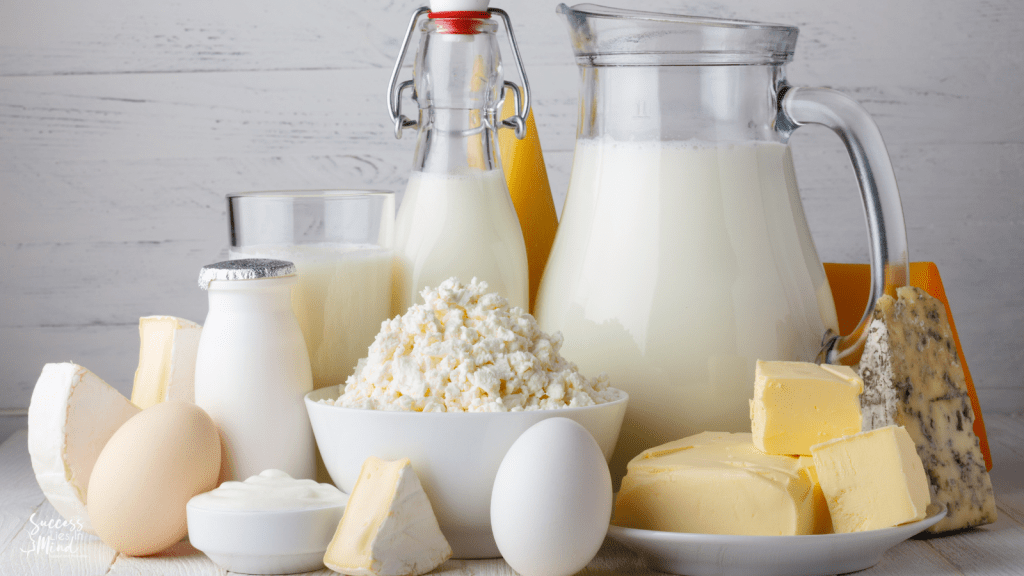
Milk: A classic calcium-rich beverage, especially fortified versions. remember reduced fat milk contains the same amount of calcium as higher fat versions but with obviously less calories so changing from full fat milk to semi skimmed or even to skimmed milk can aid your weight loss without compromising your calcium intake
Cheese: Many types of cheese, like cheddar, mozzarella, and parmesan, offer significant calcium but does contain lots of calories – so portion size is important
Yogurt: Full fat ,low fat ,plain and flavored yogurts, including Greek yogurt, are all good sources.

Broccoli, Kale, Collard greens, mustard greens, and turnip greens are all a good source of calcium and other nutrients.

Tinned Pilchards, Salmon and Sardines particularly when eaten with the bones are a high-calcium food.
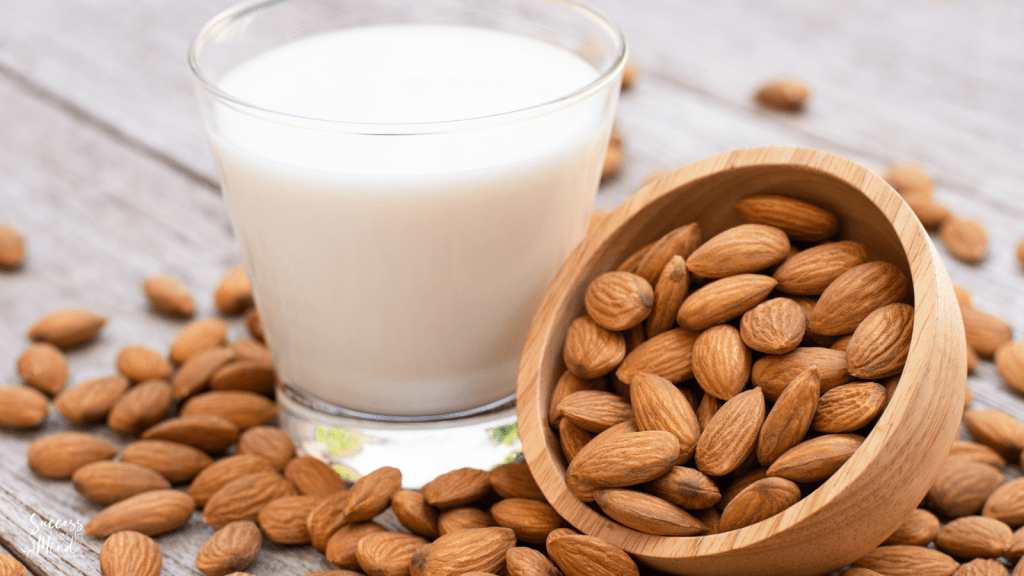
Fortified plant-based milks: Almond, soy, and rice milk are often fortified with calcium – these are a good way of getting your calcium for those who are lactose intolerant

Calcium-fortified fruit juice: A convenient way to boost calcium intake.



Fortified soy products including tofu, Cereals, White bread These offer an alternative to dairy for calcium.
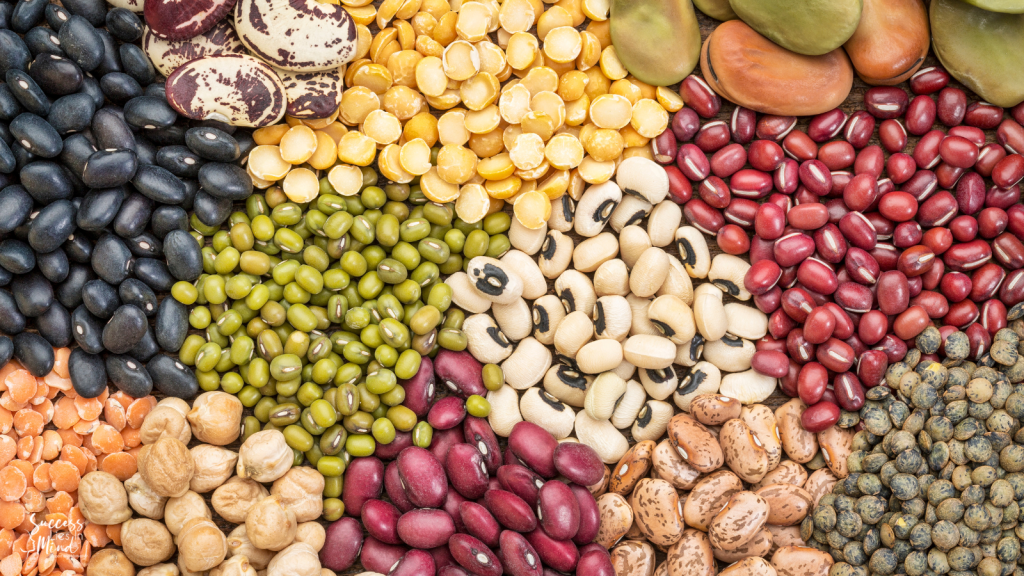
Beans, Chickpeas and Lentils are also a good source of calcium and can be a valuable addition to a calcium rich diet and a good option for vegetarians/vegans
But we do need to combine all this calcium with Vitamin D to help your body absorb it, meaning it helps the body utilize the calcium it consumes. vitamin-d
Because milk is the all-rounder containing both the calcium and Vitamin D it is the easiest way and if you are drinking skimmed milk the cheapest in calories.
Insufficient calcium intake can lead to Hypocalcemia, Rickets in children Osteomalacia and potentially Osteoporosis in later life.
You should be able to get all the calcium you need by eating a varied and balanced diet.
An adult needs 700mg of calcium a day however, if you do decide to take calcium supplements, do not take too much as more than 1,500mg a day can cause stomach pain and diarrhoea – if you take 1,500mg or less a day it’s unlikely to cause any harm
To eat is a necessity,
La Rochefou
but to eat intelligently is an art.
 Success Lies in Mind

Love reading this. Definitely gives you helpful information to take in to consideration ☺️
LikeLiked by 1 person
couldn’t do with milk, cheese and yoghurt – but only skimmed and the fat-free yoghurt, the cheese is my downfall. M for milk and M for moderation!
LikeLiked by 1 person
Brilliant information…I love milk, I always have I even looked forward to having it at school. If I don’t fancy anything to eat I will have a glass of milk but I have changed to yellow BOB milk now so consuming less calories than whole
LikeLiked by 1 person